


Whiteout Tactics on Open Slopes
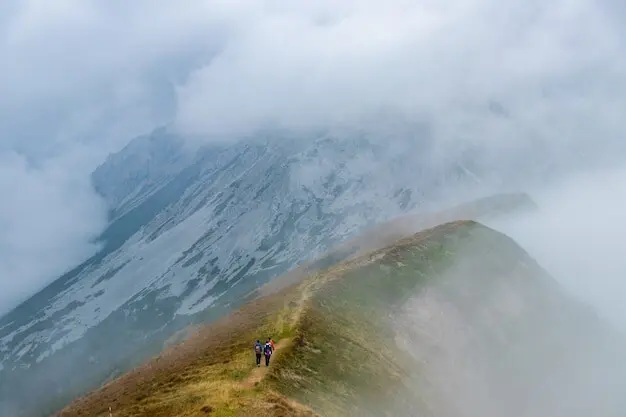
In a whiteout, horizon and ground trade places. Use a firm bearing, tighten your leg lengths, and assign a partner as a human range pole if possible. Employ aiming off toward a strong linear feature like a ridge crest or stream. Confirm slope aspect with your compass clinometer or careful observation. Stop often, reorient the map, and refuse to drift. Survival here is not glamorous; it is meticulous and beautifully boring.
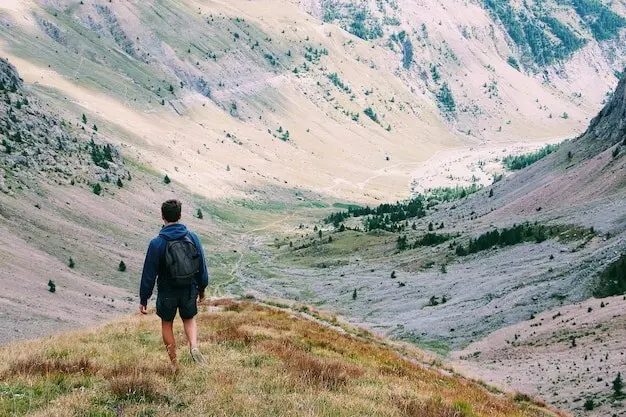
Forest Maze Strategies
Trees erase distant targets, so switch to near features and short, precise hops. Sight to a distinctive trunk, boulder, or moss pattern and move deliberately. Keep track of contour crossings to confirm elevation changes. Listen for water, feel for sidehill tilt, and notice prevailing wind direction to maintain orientation. Mark your progress with mental snapshots and time stamps. In thick timber, patience is speed; discipline is your unblinking compass.

Night Hiking Without Electronics
Preserve night vision with a red headlamp and dim settings. Use reflective landmarks sparingly and avoid tunneling your awareness into a narrow beam. Shorten bearings, increase checkpoint frequency, and rely on tactile cues underfoot—gravel, duff, or bedrock—to confirm lines. Track elapsed time closely and maintain steady pace counts. If fatigue fogs judgment, stop early and reassess. Darkness is honest but not cruel when your process stays gentle and consistent.