Find Your Way on Mountain Trails with Map and Compass

Today we dive into navigating mountain trails with paper maps and compass skills, celebrating precision, patience, and the quiet confidence that comes from mastering timeless techniques. Expect practical methods, vivid stories, and field-tested strategies to turn uncertainty into calm, repeatable decisions. Leave batteries for headlamps; your direction will come from bearing lines, contours, and thoughtful planning. Read on, practice deliberately, share your experiences, and subscribe to keep sharpening your backcountry navigation instincts together.

Reading the Landscape Like a Map

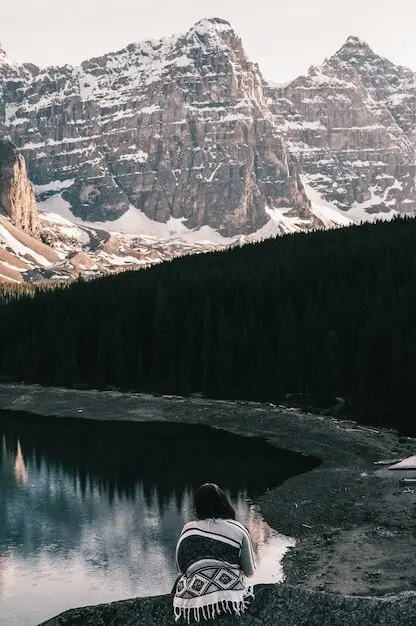
Before compass needles settle and bearings are set, align your eyes with the mountain’s language: contours that whisper slope angle, ridgelines that herd the wind, valleys that funnel water and footsteps. Topographic maps mirror this drama in calm brown lines. Train your mind to translate curves into cliffs, spacing into gradients, and symbols into decisions. With terrain association, every skyline becomes a checklist, every drainage a guide, and each saddle a promise of progress without guesswork.

Mastering the Compass

A baseplate compass is elegant in its simplicity: a magnetic needle craving north, an orienting arrow hungry for alignment, and a bezel whose numbers translate direction into action. Robust technique matters more than fancy features. Learn to adjust for declination, take precise bearings, and walk straight through brush, fog, or scree without drifting. Combine disciplined sighting with patience and clear checkpoints. Mastery is not drama; it’s steady feet following deliberate degrees while the mountains nod in approval.

Route Planning Before Boots Hit the Dirt

Smart decisions start at the kitchen table. Spread out your maps, brew something warm, and trace a route that respects elevation gain, weather windows, daylight hours, and energy limits. Choose handrails that naturally guide you, catching features that forgive small mistakes, and bailouts that keep trouble from becoming headlines. Estimate travel time using proven rules, then pad your plan for curiosity and fatigue. A thoughtful line on paper prevents desperate improvisation under bruised skies.

Navigation in Bad Weather and Low Visibility

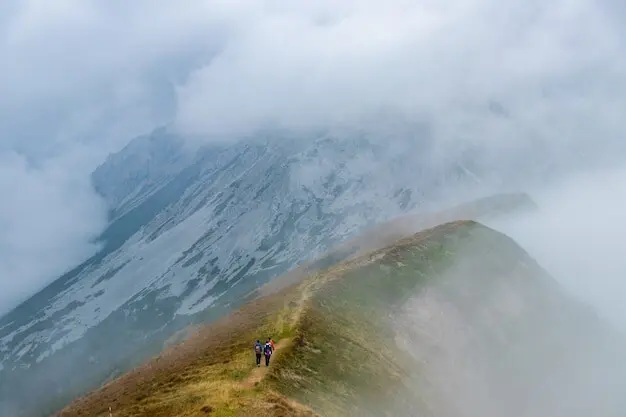
When clouds melt into the ridgeline and darkness arrives early, electronics may falter or mislead. Bearings, handrails, and disciplined pacing thrive in this mess. Build micro-strategies: short legs, frequent confirmations, and unmistakable features. Accept slower movement as wisdom, not defeat. Learn to anchor your progress to sound, slope aspect, and subtle wind shifts. Bad weather exposes weak habits and rewards calm routines. With practiced techniques, even a stubborn fog becomes a quiet collaborator.

Whiteout Tactics on Open Slopes

In a whiteout, horizon and ground trade places. Use a firm bearing, tighten your leg lengths, and assign a partner as a human range pole if possible. Employ aiming off toward a strong linear feature like a ridge crest or stream. Confirm slope aspect with your compass clinometer or careful observation. Stop often, reorient the map, and refuse to drift. Survival here is not glamorous; it is meticulous and beautifully boring.
Forest Maze Strategies

Trees erase distant targets, so switch to near features and short, precise hops. Sight to a distinctive trunk, boulder, or moss pattern and move deliberately. Keep track of contour crossings to confirm elevation changes. Listen for water, feel for sidehill tilt, and notice prevailing wind direction to maintain orientation. Mark your progress with mental snapshots and time stamps. In thick timber, patience is speed; discipline is your unblinking compass.
Night Hiking Without Electronics

Preserve night vision with a red headlamp and dim settings. Use reflective landmarks sparingly and avoid tunneling your awareness into a narrow beam. Shorten bearings, increase checkpoint frequency, and rely on tactile cues underfoot—gravel, duff, or bedrock—to confirm lines. Track elapsed time closely and maintain steady pace counts. If fatigue fogs judgment, stop early and reassess. Darkness is honest but not cruel when your process stays gentle and consistent.
Fixing Your Position When You’re Unsure

Doubt happens. The solution is systematic, not emotional. Pause, breathe, and gather evidence: slope aspect, elevation, visible landmarks, stream direction, wind behavior, and your last confirmed position. Use resection or triangulation to pin your location, then rebuild forward momentum with short, verifiable legs. Replace frustration with curiosity. Uncertainty is simply a request for data and time. Answer kindly, and the mountain will return you to clarity step by careful step.

Field Stories and Lessons Learned

Experience is a generous teacher when we pay attention. Picture a late autumn ridge where fresh snow erased tracks and cloud poured over the crest. Batteries sagged in the cold, yet map and compass stayed faithful. A tightened bearing, careful pacing, and a chosen spur led us down to treeline and laughter. Stories like these turn instruction into memory. Share yours in the comments, trade lessons, and let collective wisdom strengthen every future journey.
We approached a wind-scoured cornice with the map folded to a narrow panel, compass preset to a safe descent line. Aiming off brought us deliberately to a creek that caught our error before cliffs did. Each micro-check—slope aspect, sound of water, pacing—stacked certainty. The descent felt slow but honest, and treeline arrived like a handshake. Precision did not feel heroic; it felt normal, practiced, and deeply satisfying.
We made clear turn times, set declination correctly, and used conservative legs in falling light. Still, we underestimated crusty snow and spent too long second-guessing a contour bend. Next time, we will add thicker gloves for fine compass work, budget extra time for micro-relocation, and memorize an additional bailout. Honest debriefs convert luck into skill and keep lessons vivid when the next storm whispers your name.
Lentoveltopalovexo
Privacy Overview

This website uses cookies so that we can provide you with the best user experience possible. Cookie information is stored in your browser and performs functions such as recognising you when you return to our website and helping our team to understand which sections of the website you find most interesting and useful.