Quiet Power in the High Country

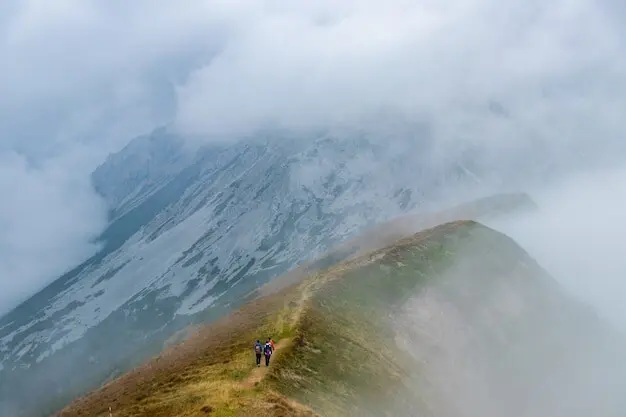
Today we journey into off-grid alpine cabins and low-tech home design, celebrating resilient spaces pared to essentials, wise materials, and the patient craft of living well above the treeline. Expect practical ideas, candid lessons, and stories that honor quiet comfort, safety, and enduring beauty.

Foundations of Mountain Self-Reliance

Start with the land, the weather, and your honest capacity to maintain simple systems when storms close roads and batteries sleep cold. In alpine places, restraint outperforms bravado. Good boots, clear plans, and forgiving layouts make independence practical, not romantic, when wind scours the eaves.

Reading altitude, sun, and snow

Map winter shadows, drifting corridors, and late spring glare before staking a corner. Track prevailing winds with ribbon on a stake, watch where goats nap, and time your breath carrying water uphill. Orientation chosen with patience saves fuel, fights ice, and brightens every room.

Simplicity as guiding constraint

Let every choice reduce points of failure. Prefer gravity over pumps, latches over screens, and knives over gadgets. When storms erase plans, you will still cook, sleep, and stay warm. Constraints become creative partners, trimming noise while revealing durable comfort and humble grace.

Safety margins you can live with

Design for gloved hands, headlamps at dawn, and mistakes after a long hike. Oversize anchors, vent paths, and backup heat. Clear exits beat clever tricks. When the ridge howls, predictable details carry you, turning a hard night into a steady, teachable memory.


Site, Sun, and Snow: Reading the Landscape

A cabin prospers when it bends to place. Banks of snow can insulate, or suffocate doors. Sun angles decide breakfast warmth and afternoon glare. Rocks, trees, and talus announce avalanches, seepage, and safe paths. Listening first spares you repairs, fuel, and worry later.

Shadow studies without software

Mark solstice arcs with sticks and twine, then watch where icicles linger after noon. Record cold pockets by the crunch underfoot before sunrise. These analog notes steer window height, porch depth, and roof tilt, achieving reliable comfort without chasing glossy simulations or fragile panels.

Approaching avalanches with humility

Study historical slides, talk with neighbors, and read crowns after storms. Set cabins back from runouts, strengthen gable ends, and avoid roof forms that trap slabs. Prudence protects sleep and friendships, preserving shared routes, winter chores, and quiet mornings when corn snow sparkles.

Water tells its own story

Follow spring seeps, moss, and frost heave patterns before digging. A captured trickle can serve year-round when insulated, while a poorly sited trench will split in January. Let the hillside narrate routes for pipes, swales, and footpaths, saving joints, boots, and tempers.

Materials that Breathe: Timber, Stone, and Earth

Choose materials that welcome moisture cycles, carry heat gracefully, and age with dignity. Local timber and stone reduce hauls, while lime plasters and wool insulation buffer humidity. Breathable layers simplify maintenance, deter mold, and keep interiors calm through rapid thaws, sudden fronts, and long droughts.

Humble joinery, lasting strength

Pegged mortise-and-tenon frames forgive seasonal movement, especially when storms load one side. Skip excessive metal where condensation bites. Wood loves wood; it swells, shrinks, and settles together. Simple joints make repairs neighborly, so a thawing morning and a mallet can correct a creak.

Stone for storage, not show

A modest interior wall of dense stone or earth stores sunlight gathered through south glass, releasing warmth long after dusk. Keep it honest, not polished. When clouds linger, the room still breathes steady heat, and kind chairs feel even kinder.

Insulation that respects vapor

In cold heights, vapor moves from inside to out for months. Build assemblies that guide it gently, with wool, wood fiber, and smart membranes, rather than trapping it. Dry walls forgive mistakes, prevent rot, and stay quiet when stoves rest low.

Small stoves, big comfort

Choose an efficient unit sized for the shell, not for bragging rights. Oversized boxes cycle hot and cold, wasting wood and attention. A modest fire, paired with heat storage, keeps tea simmering, windows clear, and conversations unhurried through the longest stretches.

Passive tricks that outperform gadgets

Extend eaves to temper summer glare, frame deep sills to invite winter rays, and tuck an airlock entry to keep drafts civil. These quiet moves, drawn with a pencil, beat dashboards and apps when batteries sulk and thermometers lie.

Ventilation you can understand

Fresh air matters more than fancy labels. Use simple ducts with controllable intakes, sheltered from spin drift. A heat-recovery core sized for small spaces keeps inside air sweet while the stove rests, protecting sleep, bookshelves, and the delicate patience of shared winters.

Water by height, not horsepower

Capture uphill sources carefully and let elevation move the flow. Insulate lines with earth and straw, drain low points, and post thaw diagrams on the pantry door. When pumps fail, breakfast still steams, and hands wash warm after splitting kindling in sleet.

Power scaled to essentials

Size a modest solar array for lights, charging, and a fan, not for city habits. Store less, use less, and enjoy more. A tidy breaker map, spare fuses, and a disciplined routine prevent surprises when storms blanket everything with velvet silence.

Doors, benches, and the dance of boots

A stout airlock with benches and pegs turns arrivals graceful. Snow dries, tools park, and puddles stay put. Place a window low to read drifts before stepping out. Small rituals save time, spare ankles, and welcome friends from the blinding white.

Sleep where the wind forgets

Tuck bunks behind mass and away from openings. Protect sightlines to dawn without inviting drafts. Quiet corners improve rest, temper cabin etiquette, and turn long nights restorative. When the gale eases, you wake ready to shovel, smile, and brew another pot.

Tables that host work and wonder

In small cabins, the table earns multiple lives. Set it beneath the brightest pane for mending, maps, and bread. Keep stools light, drawers shallow, and a lantern centered. Shared surfaces collect stories, measure seasons, and hold silence as kindly as voices.

Stories from the High Ridge: Community and Craft

Knowledge grows fastest when shared around a warm stove. We collect field notes, missteps, and small victories from builders and dwellers who chose independence in the mountains. Add your questions, subscribe for seasonal checklists, and help refine practical designs that honor patience, neighbors, and quiet delight.
Lentoveltopalovexo
Privacy Overview

This website uses cookies so that we can provide you with the best user experience possible. Cookie information is stored in your browser and performs functions such as recognising you when you return to our website and helping our team to understand which sections of the website you find most interesting and useful.